The timestamped ledger for space history
Researchers building institutional knowledge about orbital operations get structured, verifiable data spanning from 1961 to today.
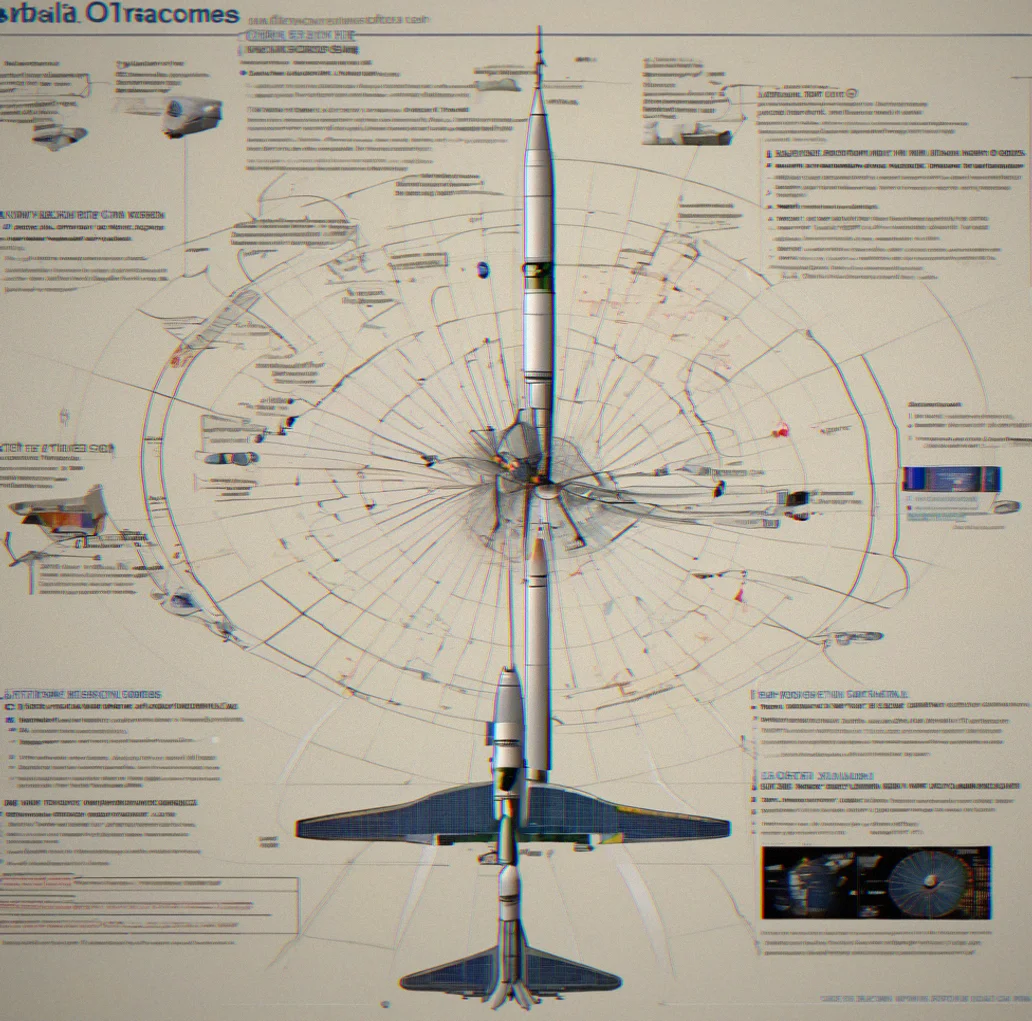
Space missions create mountains of technical information. Launch windows, telemetry sequences, orbital parameters, crew timelines, payload manifests—it all exists somewhere. The problem is that it's scattered. Archives, government repositories, declassified documents, institutional databases. They're all over the place. OrbitLedger pulls it together into one searchable record that doesn't disappear. Every entry has a source. Every timestamp is documented. Take Apollo 11 as an example—that single mission produced over 5 million pieces of telemetry data, and we've indexed and verified thousands of individual data points from it. If you're a historian working through a mission timeline, an archivist assembling an institutional collection, a researcher tracking decades of payload performance or an educator putting together reference materials, you get something you can actually cite instead of having to piece things together yourself.
What you'll find in OrbitLedger
Launch windows and separation events
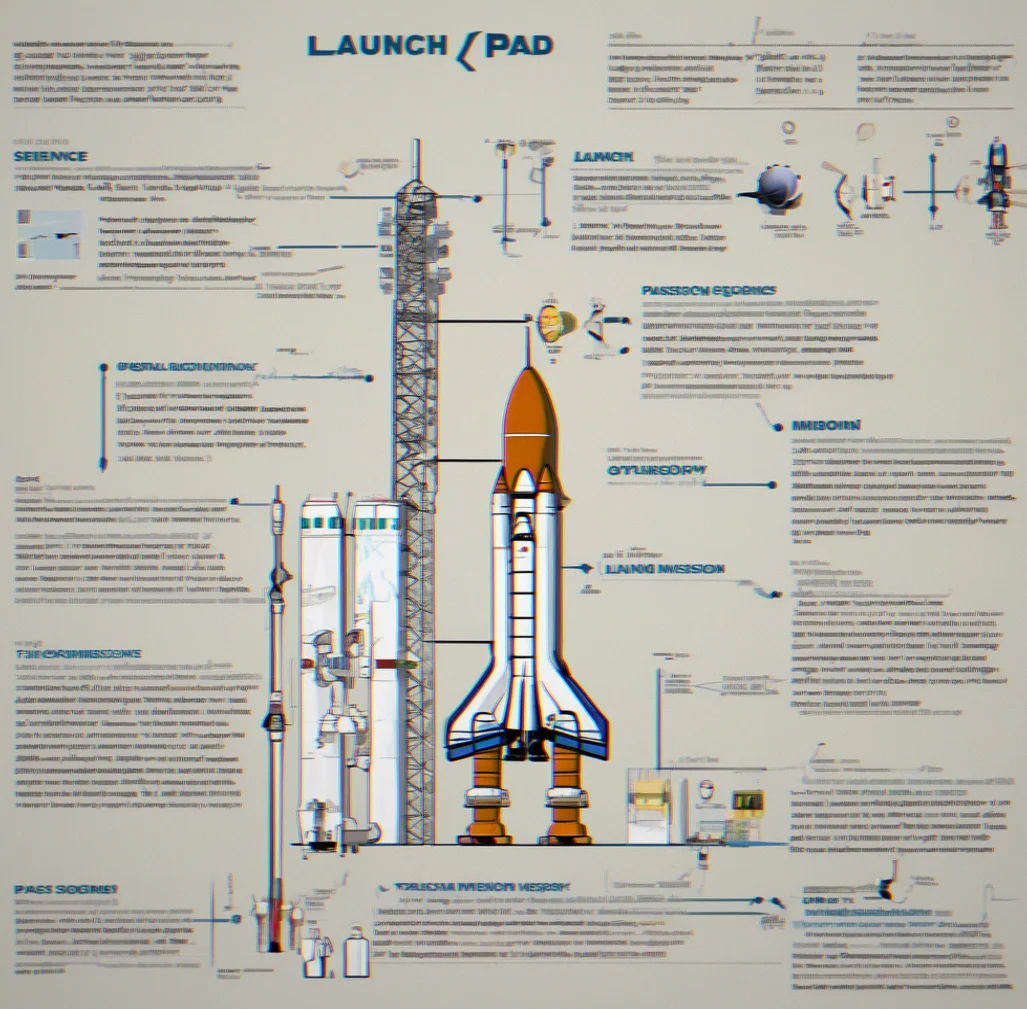
Exact UTC timestamps for pad abort holds, T-minus countdowns, engine ignition, stage separation, orbit insertion burns. The granular timeline that turns a mission into a documented sequence. Most people know Apollo 11 launched on July 20, 1969—we have the 11:32 UTC timestamp for when the lunar module actually touched down and the specific telemetry values at each staging event.
Orbital parameters and trajectory data
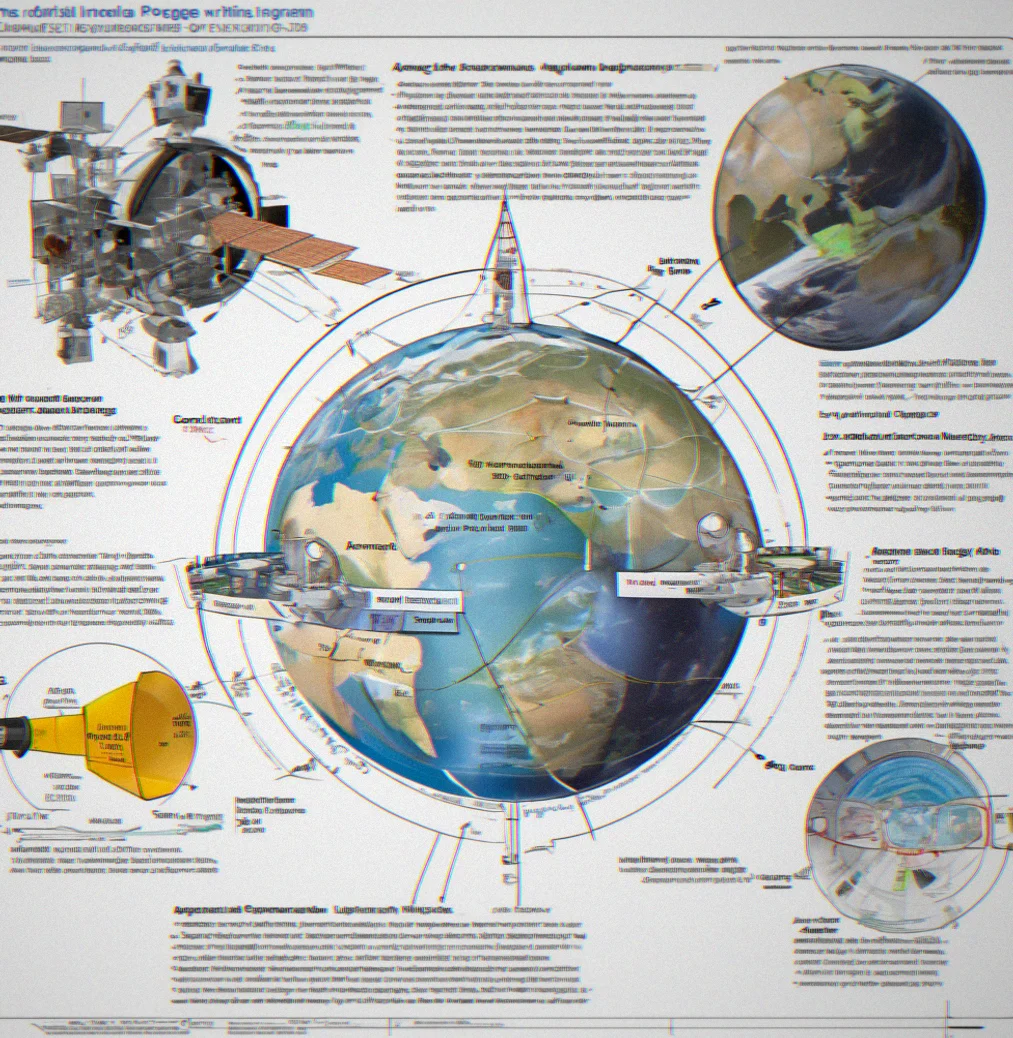
Perigee, apogee, inclination, eccentricity, semi-major axis. These numbers define where a spacecraft actually ended up. They matter because they tell you fuel consumption, visibility windows from ground stations, and whether a mission's operational plan actually matched what the orbit delivered.
Telemetry curves and system logs
Temperature traces. Thruster firing sequences. Attitude control adjustments. Communication blackout windows. This is the stuff that only exists in flight reports and telemetry streams—which is to say, most of the actual data about how a mission performed. You can track the precise moment a thruster fired, how long it burned, what the vehicle's thermal response was.
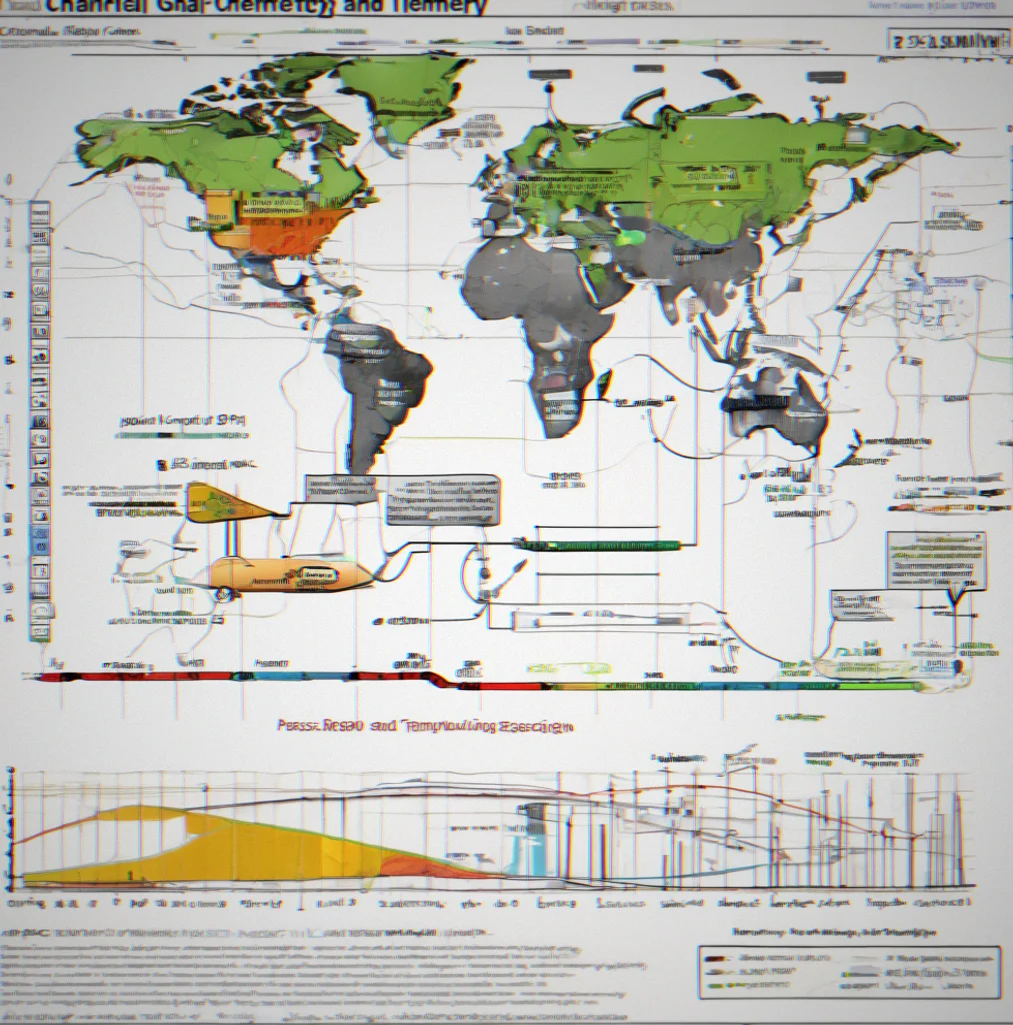
Payload manifests and mass budgets
What was actually inside the spacecraft. Instruments. Experiments. Redundant systems. Equipment mass. Fuel loads. The cargo list that explains why a mission had the capabilities it did—or why it didn't. Skylab carried over 80 metric tons of material into orbit, and we document what all of that included.
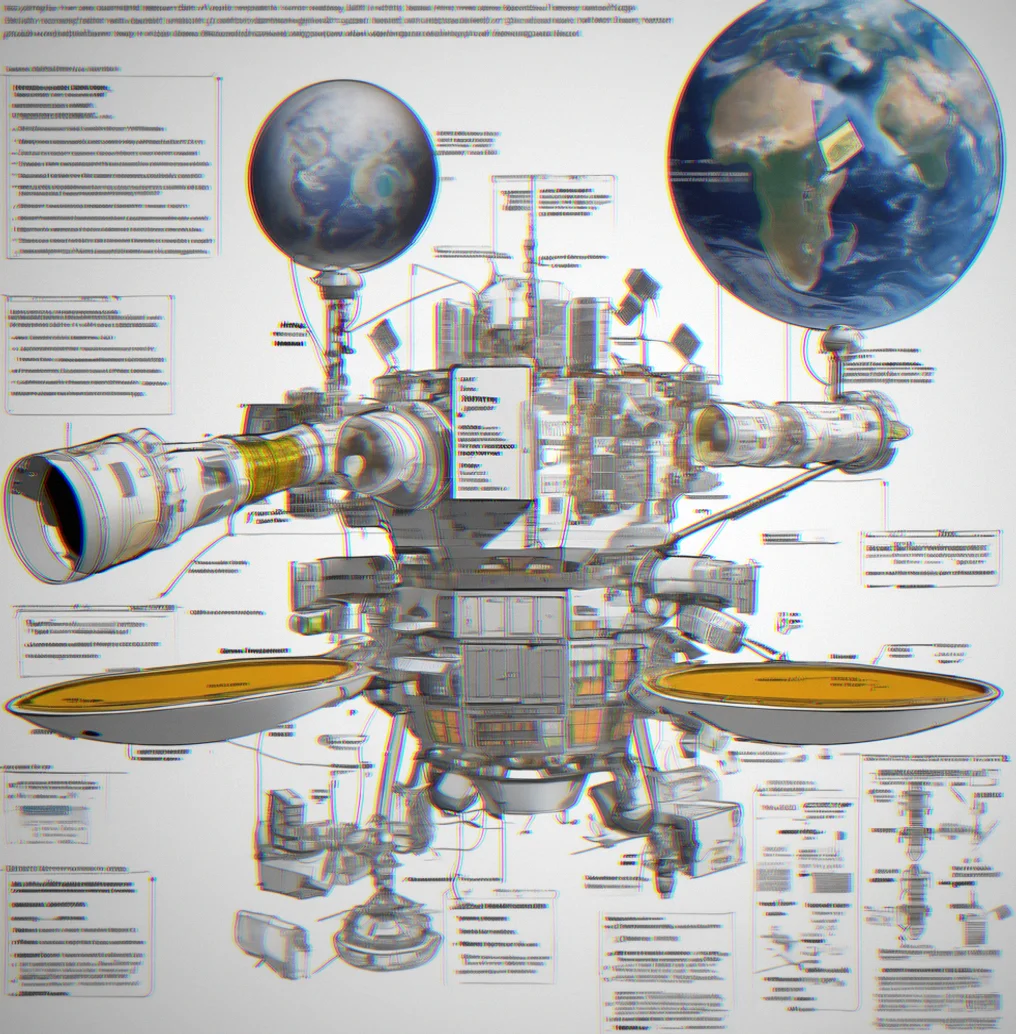
EVA timelines and spacewalk procedures
Airlock depressurization time. Suit checkout sequence. Egress timestamp. Specific tasks and their duration. Ingress and repressurization. The step-by-step record of what astronauts or cosmonauts actually did outside the vehicle. Cross-reference suit telemetry with the task log and you see what happened.
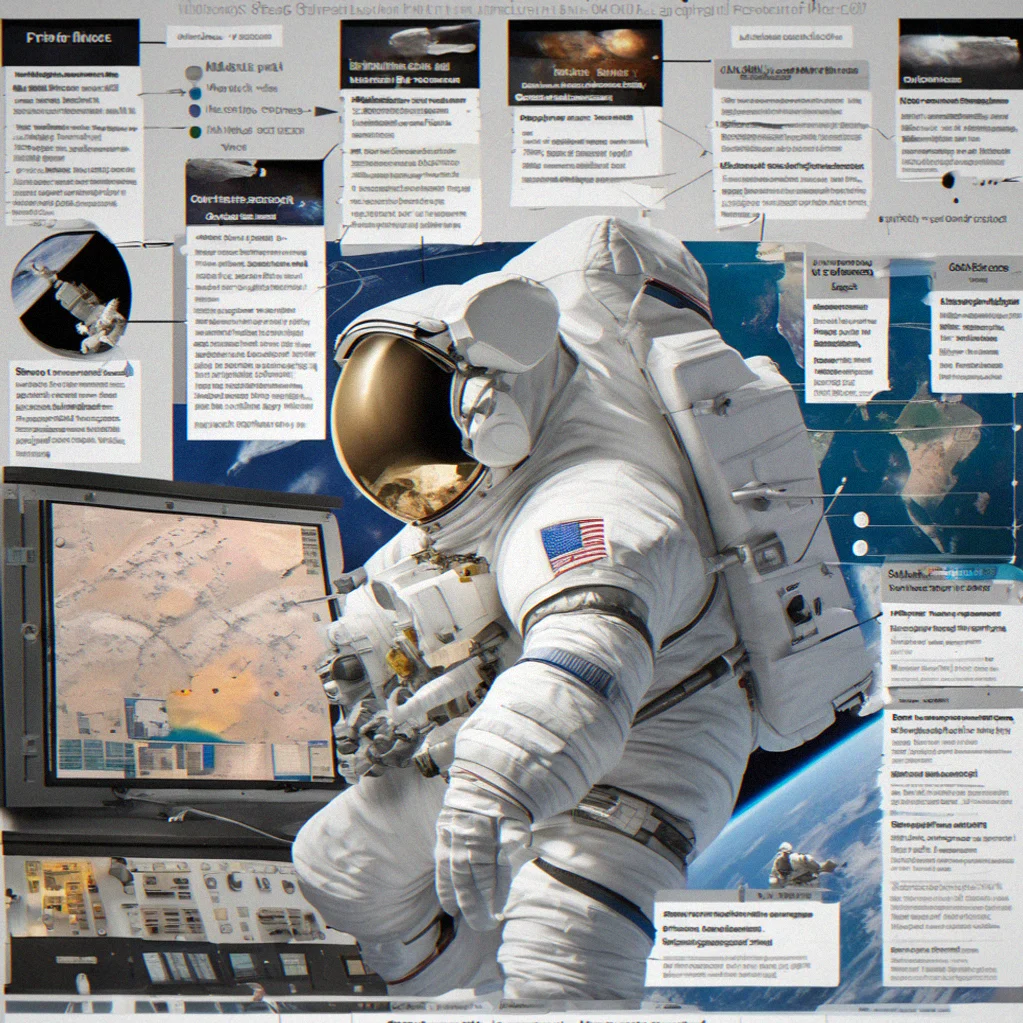
Source documentation and flight reports
Links to primary sources. NASA technical reports. ESA mission summaries. Flight director logs. Declassified tracking data. Soviet-era records that were sealed for decades. You don't just get the data—you get the document it came from, so you can verify it yourself. We already did, but the option's there.
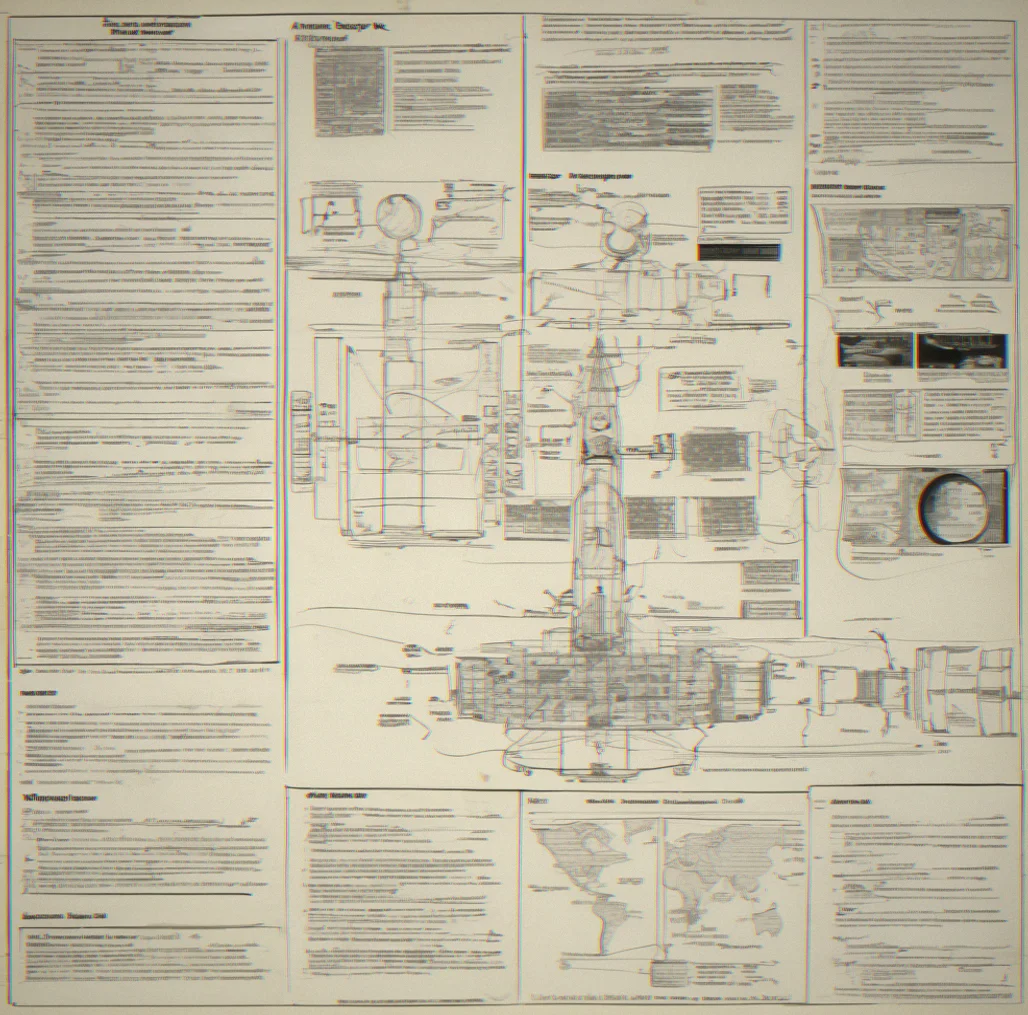
Metadata and cross-mission context
Which crew flew which missions. Which payloads succeeded or failed. Which follow-up missions carried spare parts or repair equipment. Which orbital slots were related. The connective tissue that makes isolated data meaningful. Soyuz 11 had a cabin leak, sure. But it happened right after Skylab's success, and that context changes things.
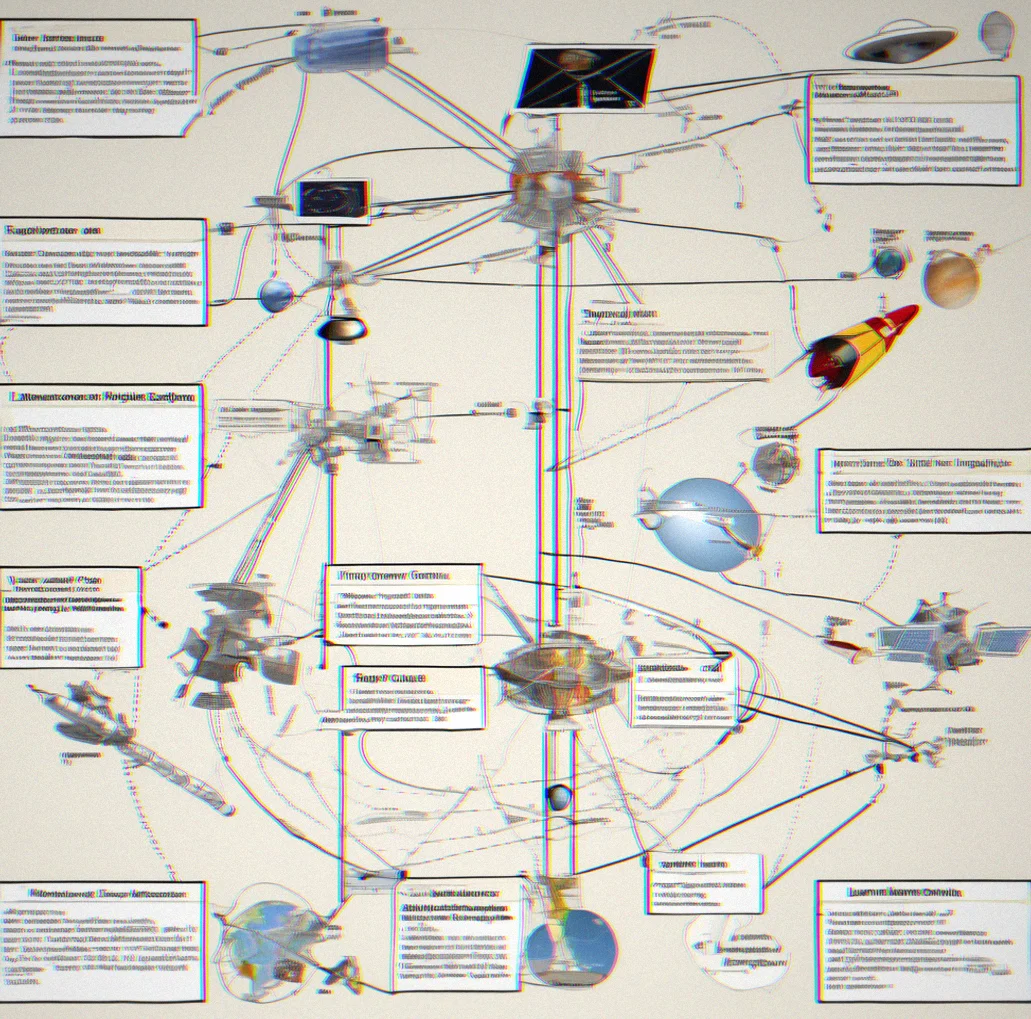
Searchable, structured records
Filter by launch date, agency, mission type, payload class, orbital destination. Download datasets. Export to your own archive system. No paywalls for read access, no locked-down formats—the data is actually usable. You're not trying to reverse-engineer what we decided to show you.
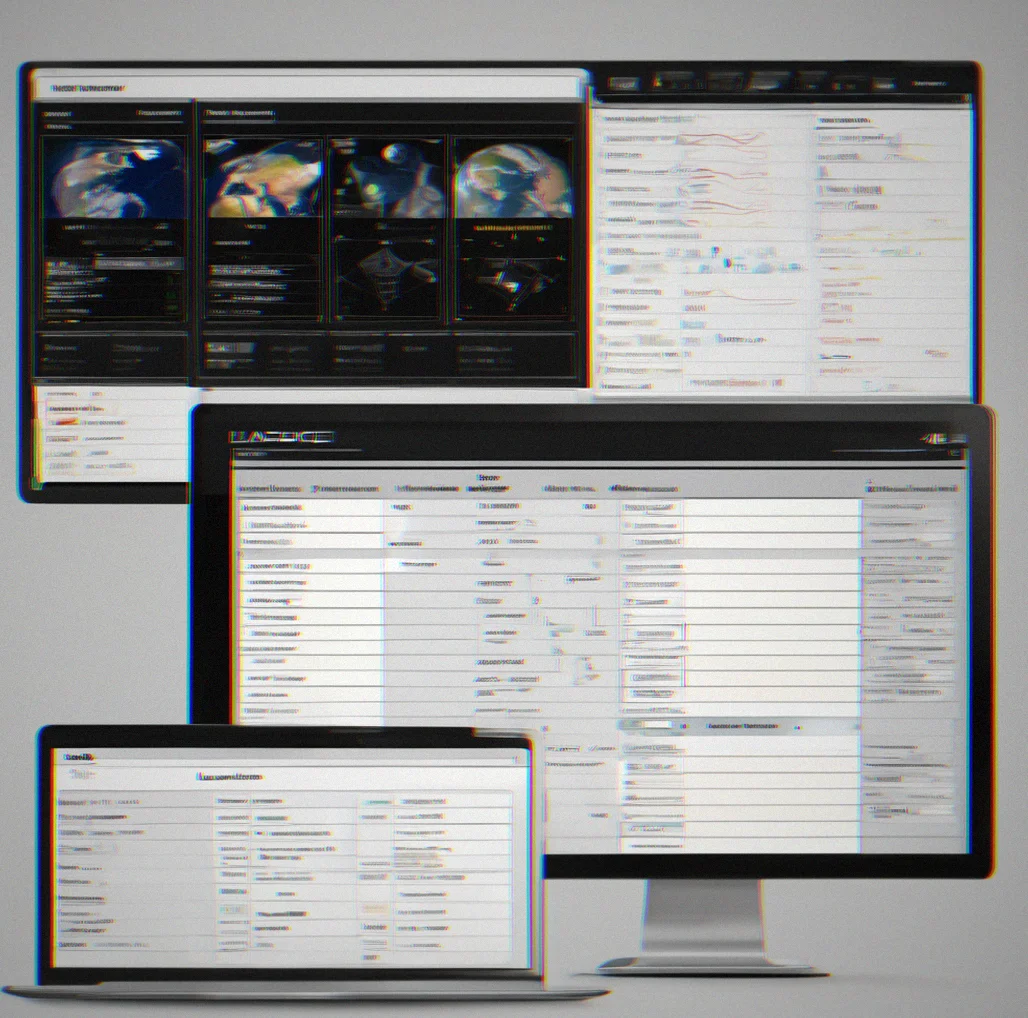
Mission Archive
Visual Documentation System
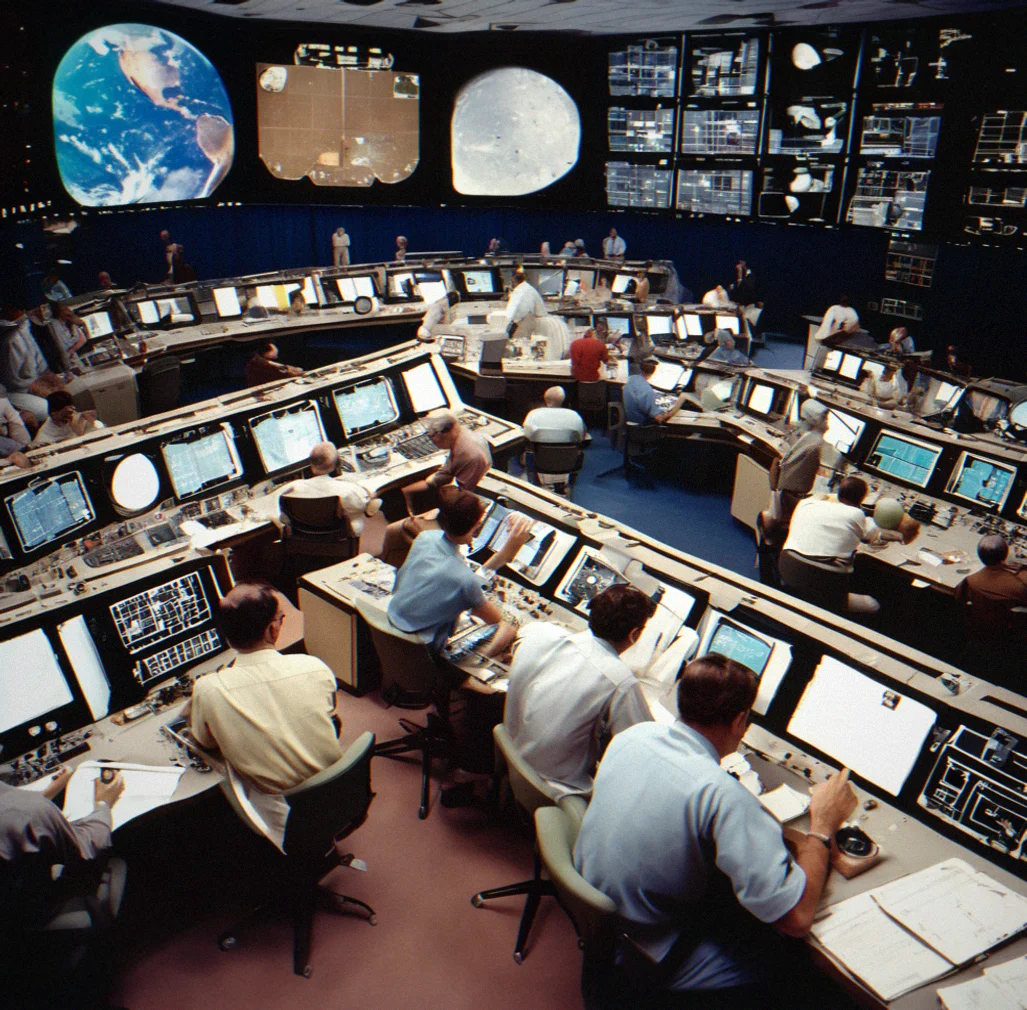
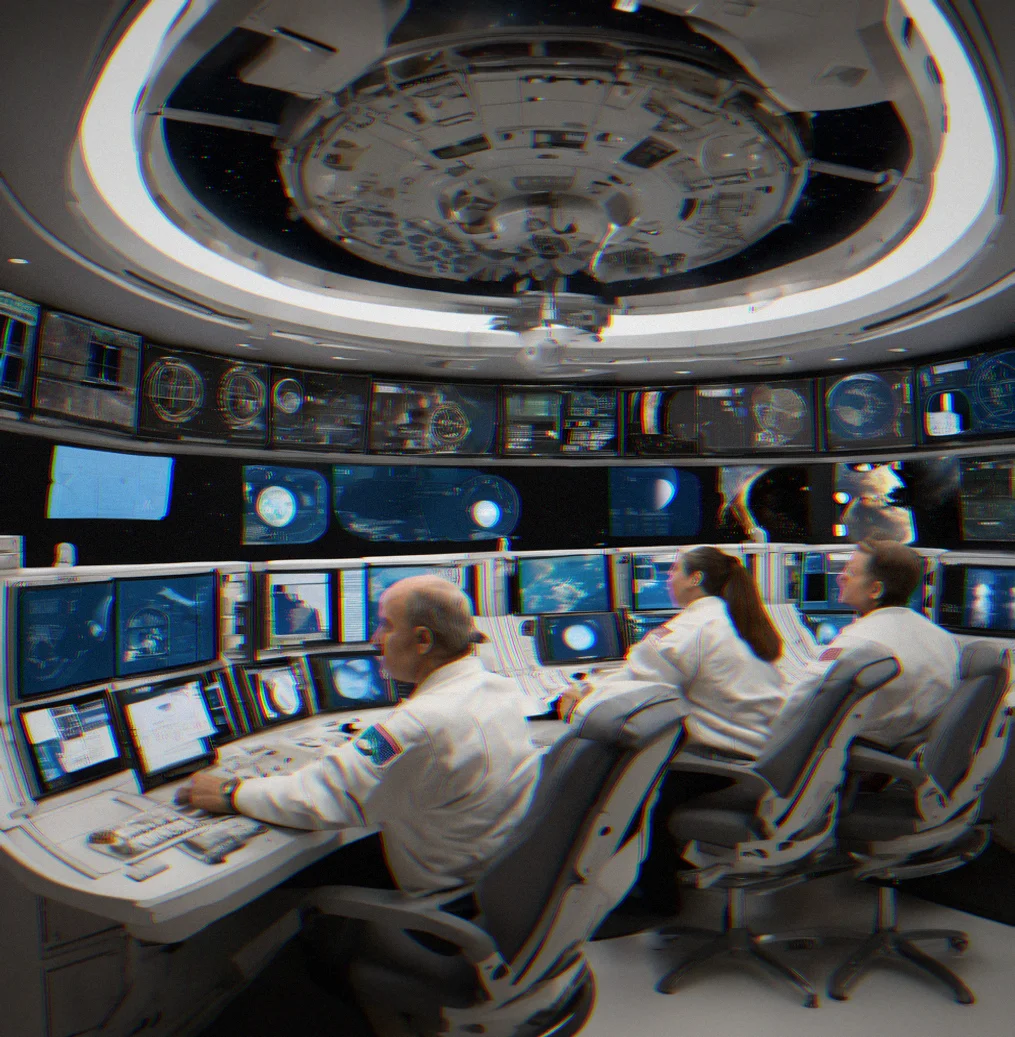
Mission control at NASA's Johnson Space Center during the Apollo 11 descent, flight controllers watching telemetry screens and radio communications
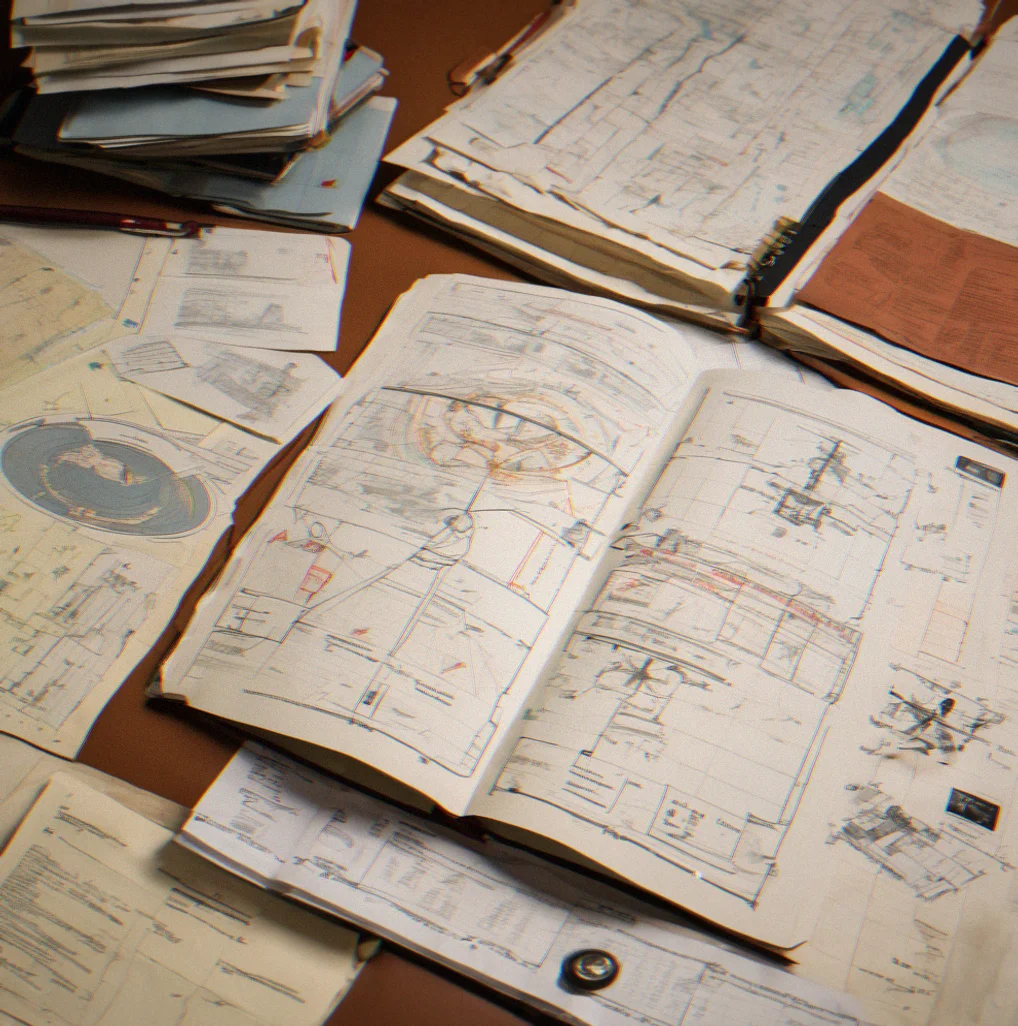
Soviet mission files spread across an archivist's desk with Cyrillic writing, handwritten notes, and trajectory drawings
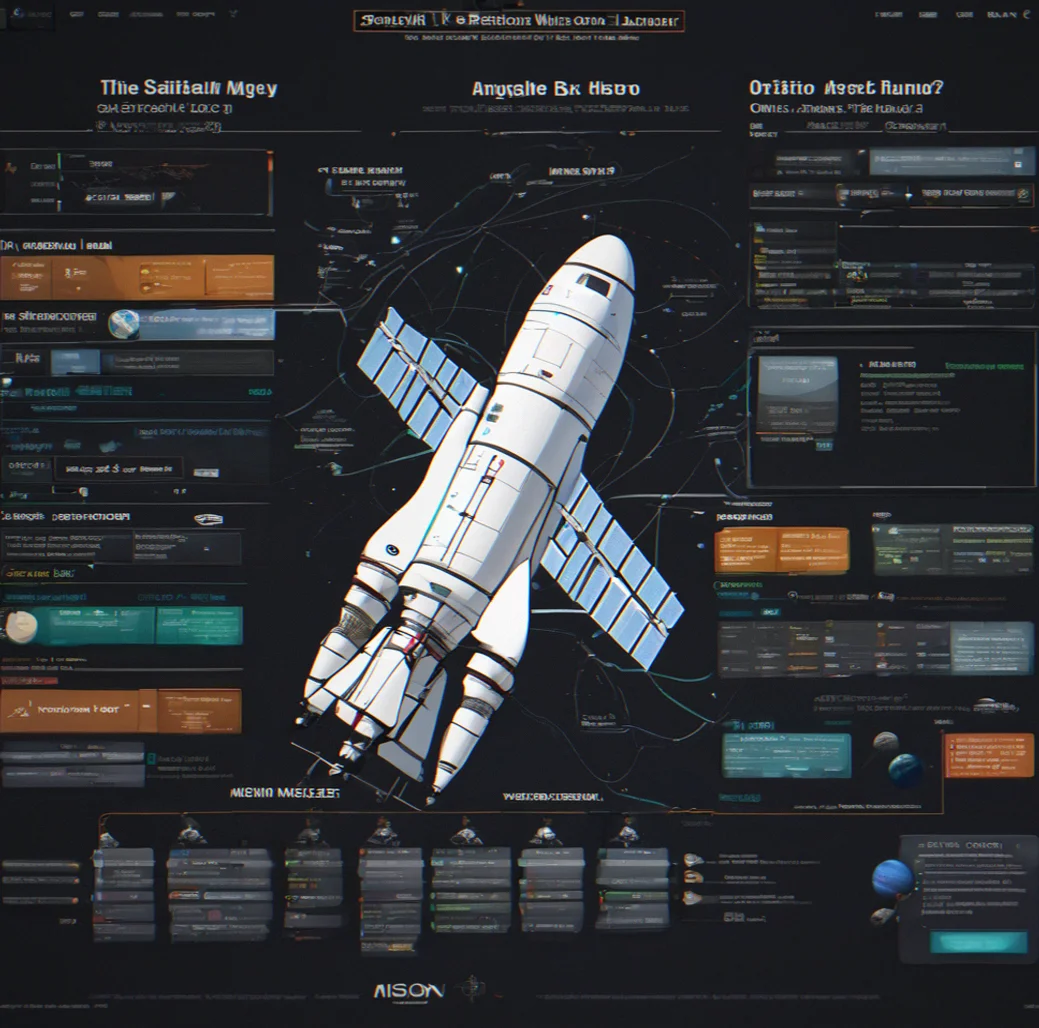
Database showing mission details you can filter by launch date, orbit Angle, payload weight, and which agency ran it
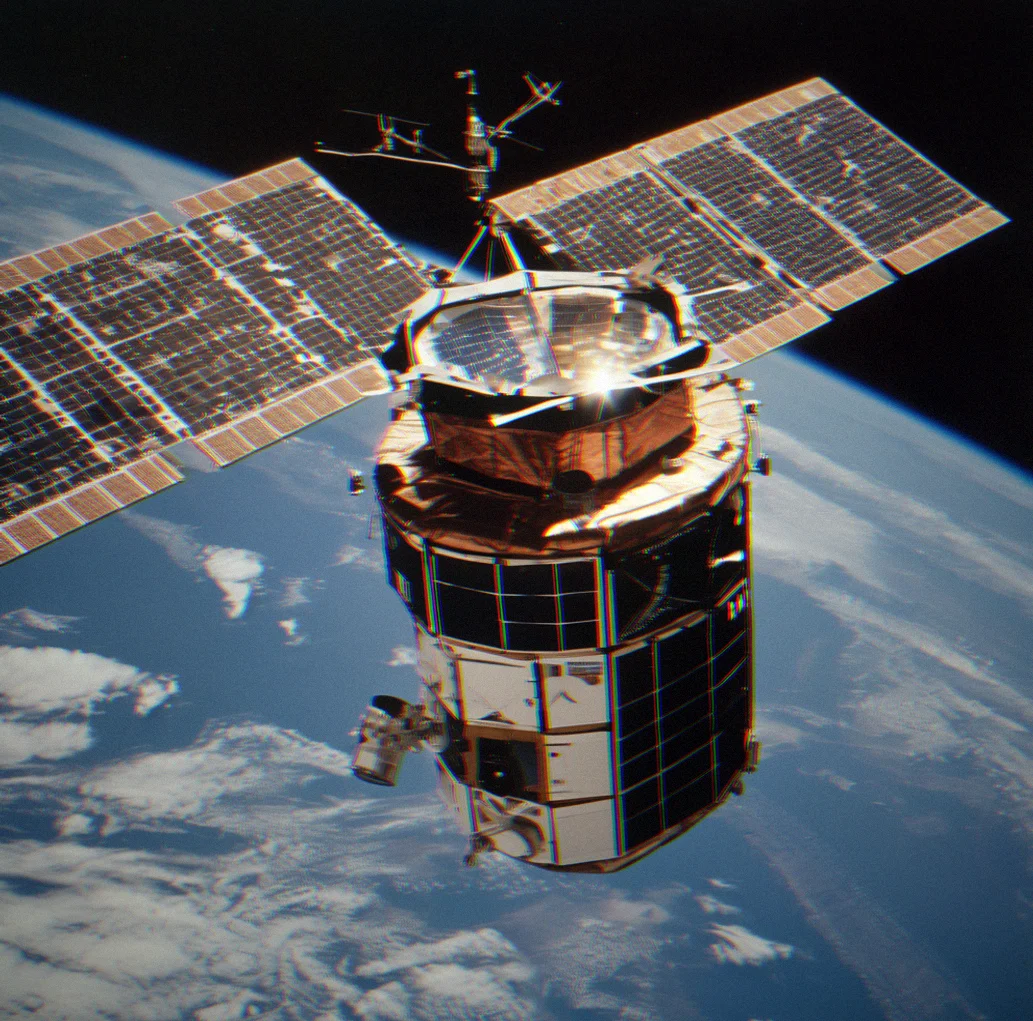
Skylab in orbit with solar panels out, photographed from the Skylab 4 spacecraft with Earth below
Someone digitizing old NASA flight reports and mission timelines from microfilm at an archive workstation
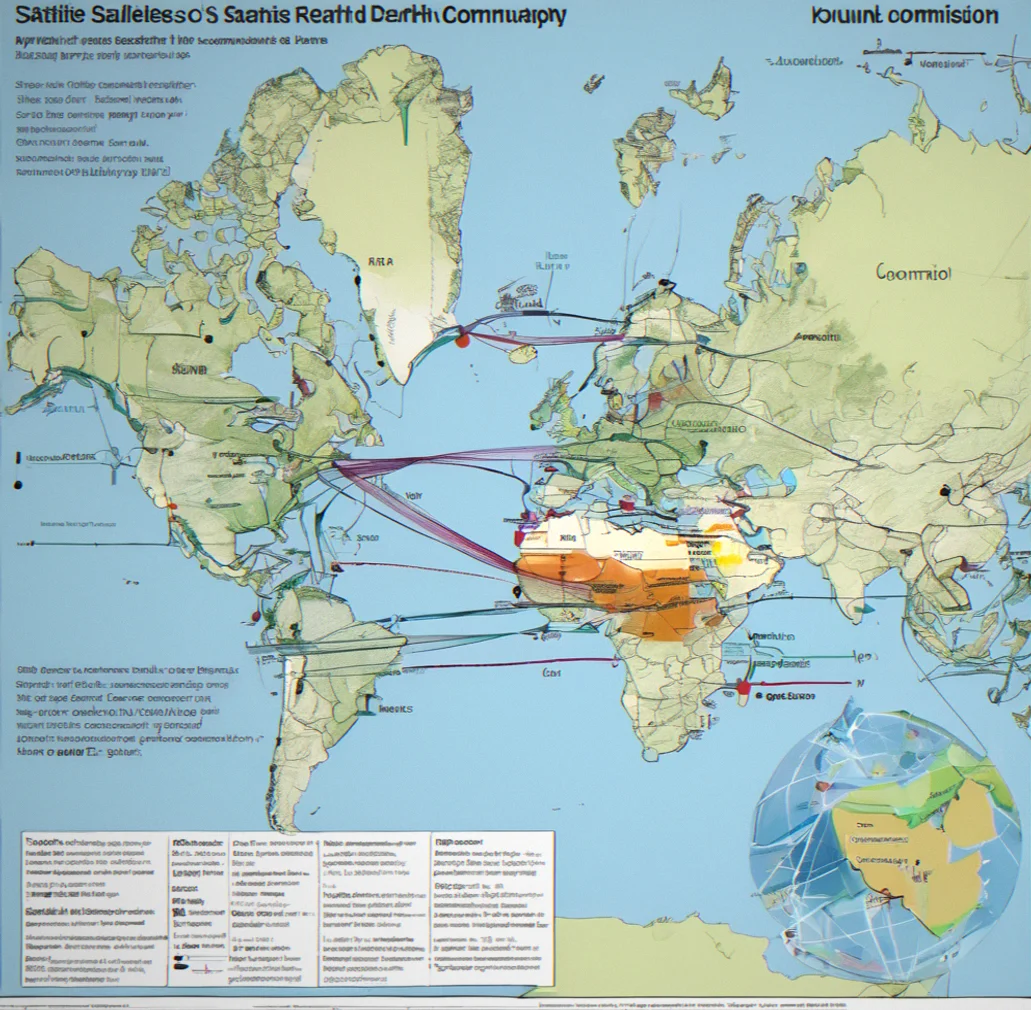
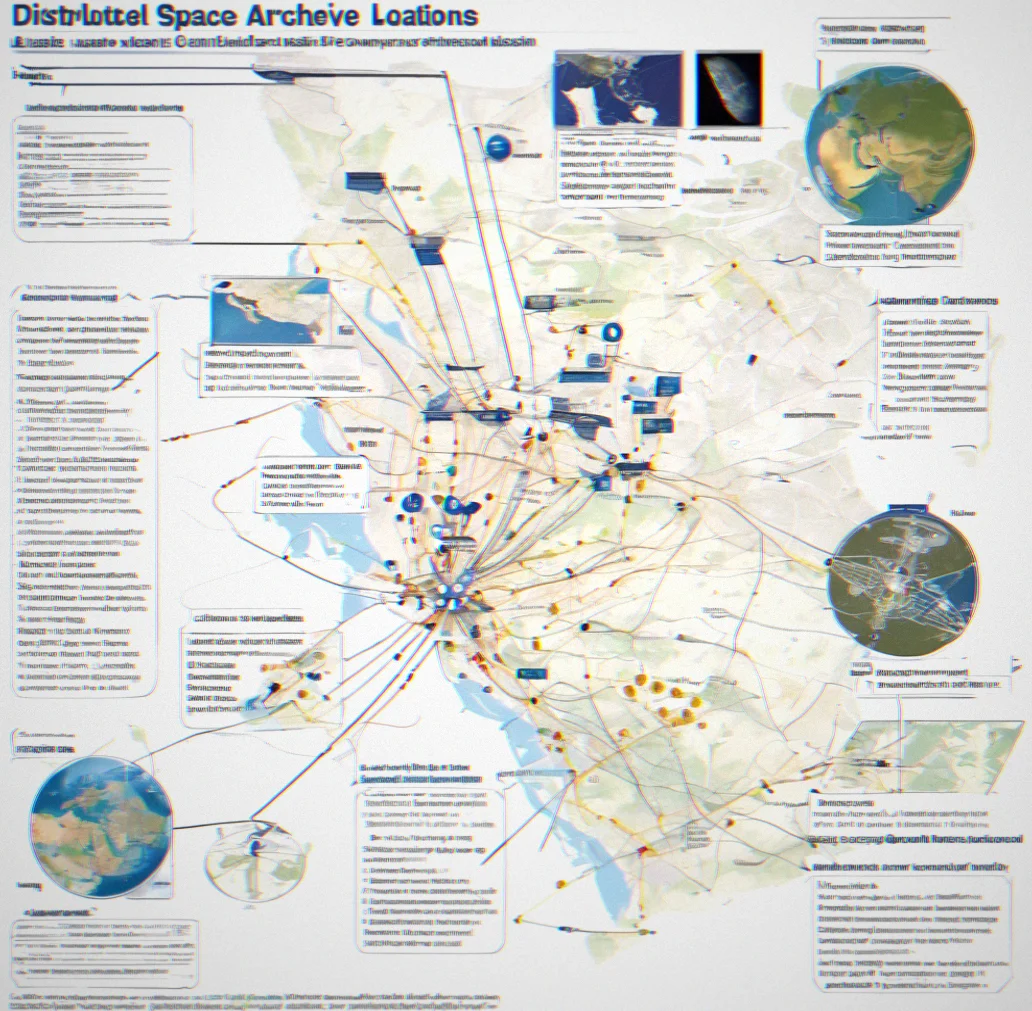
Map showing where today's satellites orbit and which ground stations can reach them for Earth observation and communications
How researchers use OrbitLedger
Historians can verify timelines by comparing them against primary sources. Archivists use it to organize institutional collections properly. Researchers cross-reference telemetry data from decades of missions to spot patterns.
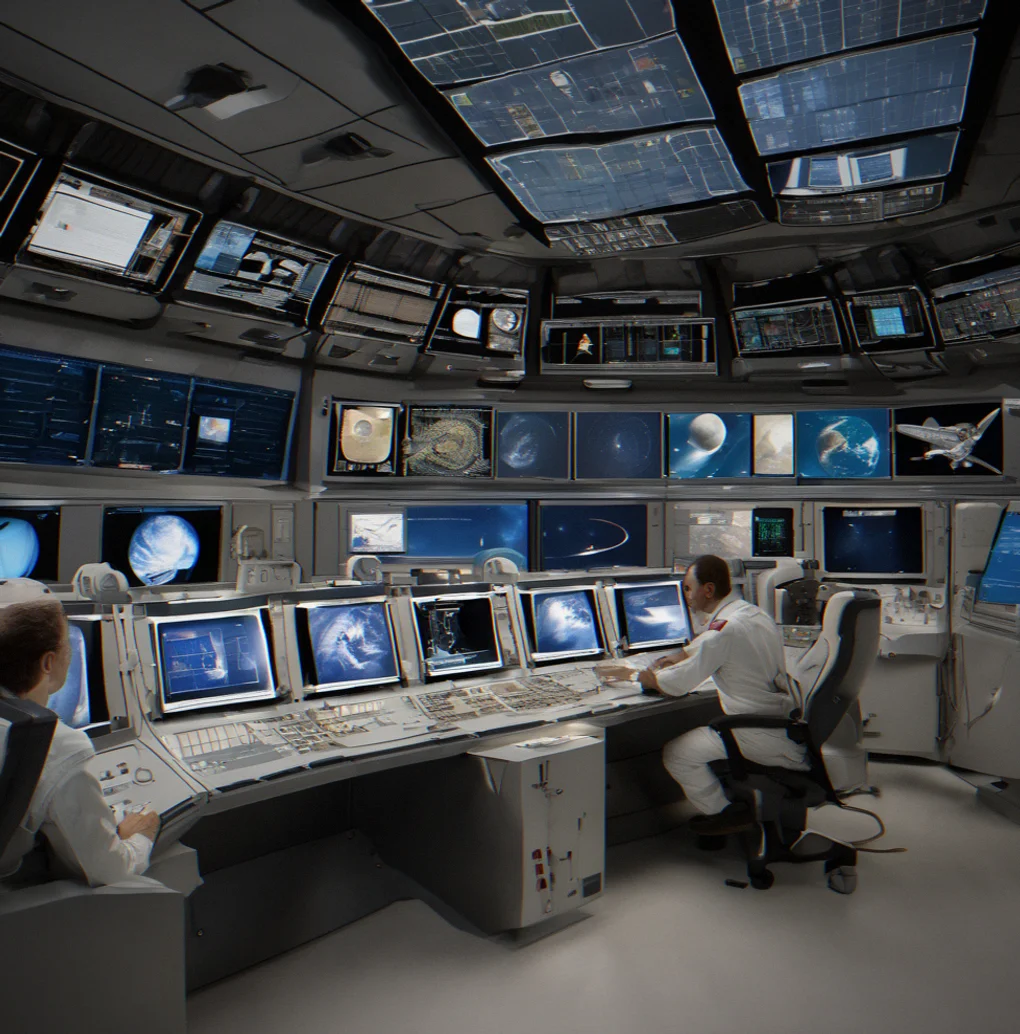
An academic historian sits at a desk with printed Apollo flight director logs open, comparing them side by side with OrbitLedger database timestamps. They're marking up where published accounts don't match the original telemetry records.
A university archivist organizes satellite mission records by orbital parameters. On the computer monitor, you can see structured metadata with inclination angles and launch dates spanning from the mid-seventies all the way to 2026.
A researcher analyzes payload performance by examining telemetry curves for how instruments degrade over time. They're looking at Earth observation missions across roughly 30 years, with datasets exported for deeper study.
Why institutional archives need OrbitLedger
No more scattered documents
Your mission records are everywhere. NASA's got some, ESA's got others, declassified files are in one place, universities have their collections, and half your microfilm is sitting in a storage closet somewhere. OrbitLedger grabs the verified data from all those sources and puts it in one searchable index with consistent structure.
Permanent timestamps matter
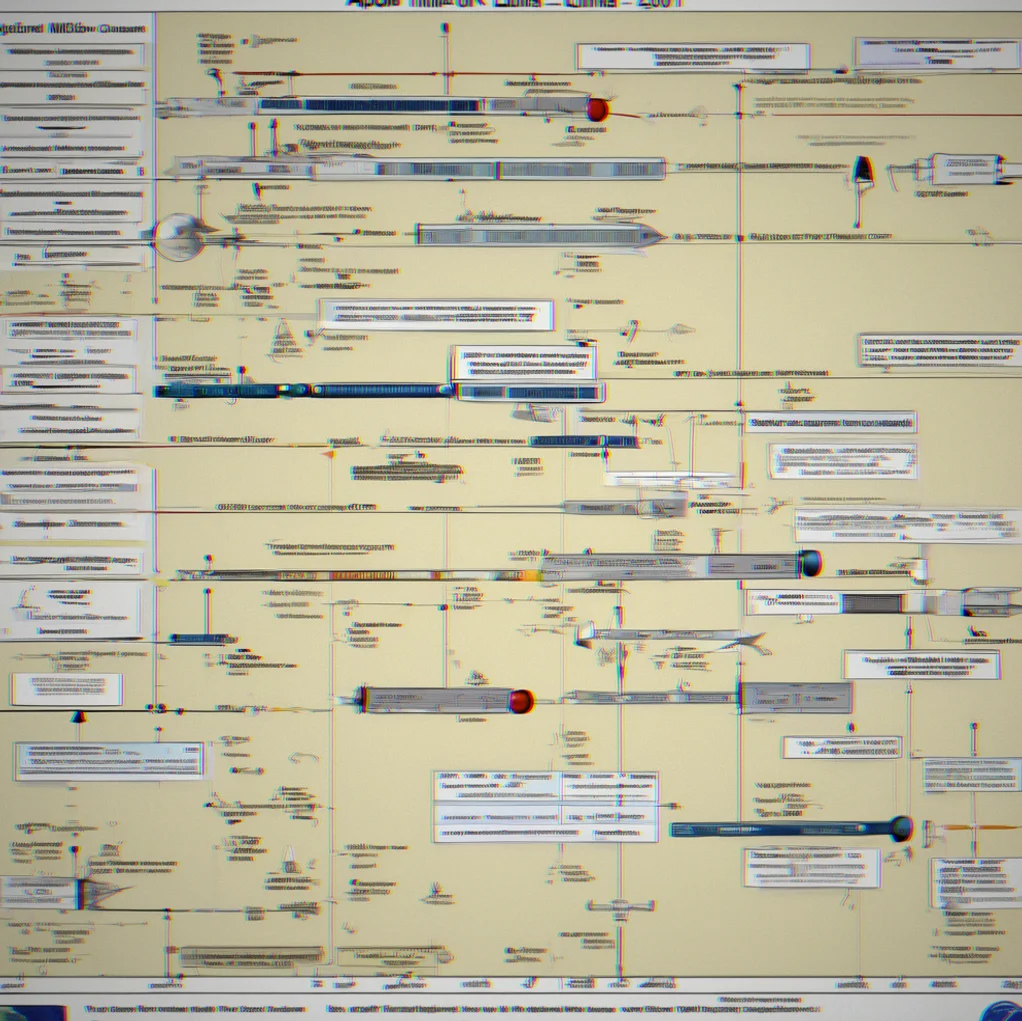
Apollo 11 touched down at 20:17 UTC on July 20, 1969. Precise, right? That precision evaporates when you're pulling from secondary sources or websites that get redesigned every few years. OrbitLedger keeps those timestamps locked to the source documentation so they actually stay put.
Verify everything against originals
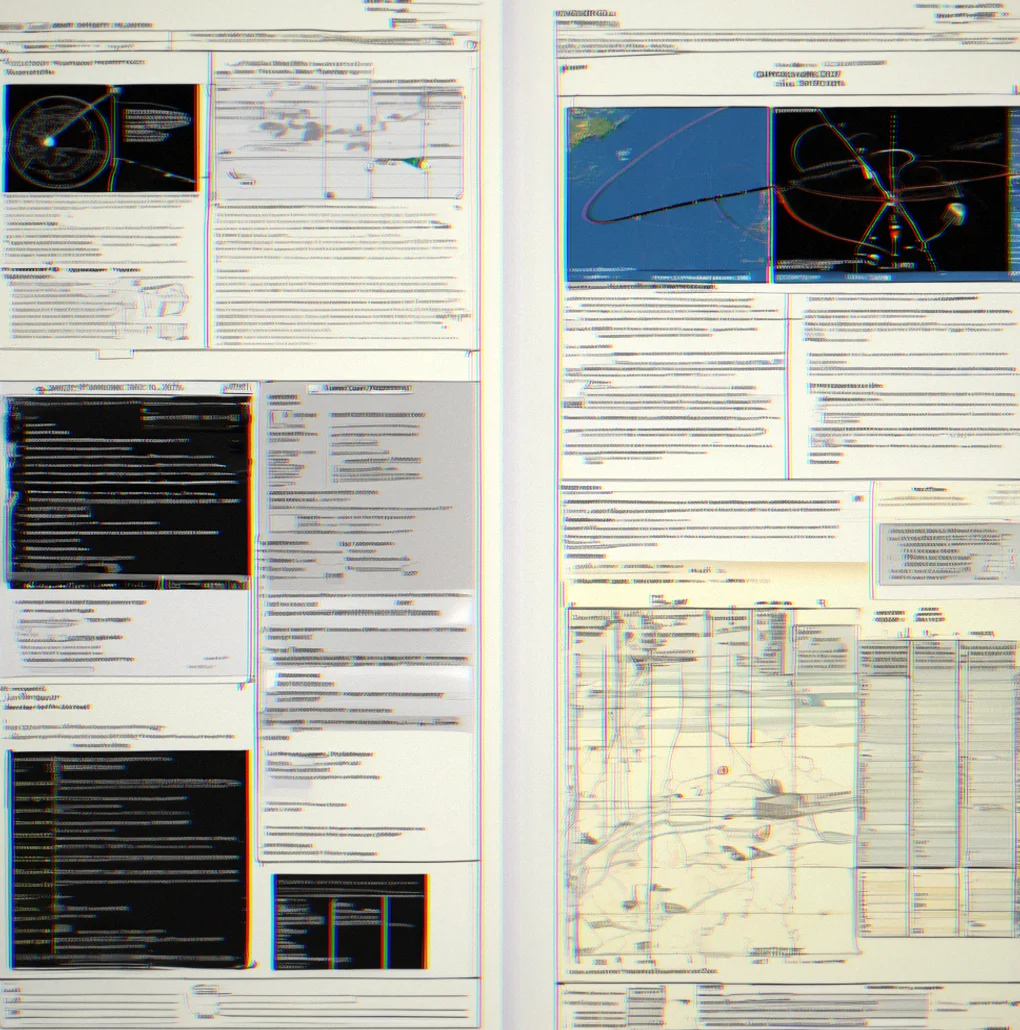
What's actually in the flight director log? Does the official summary line up with what the telemetry says? Every data point in OrbitLedger links back to where it came from, so you can check it yourself. That's not just more trustworthy—it's how archives are supposed to work in the first place.
Standardized structure for everything
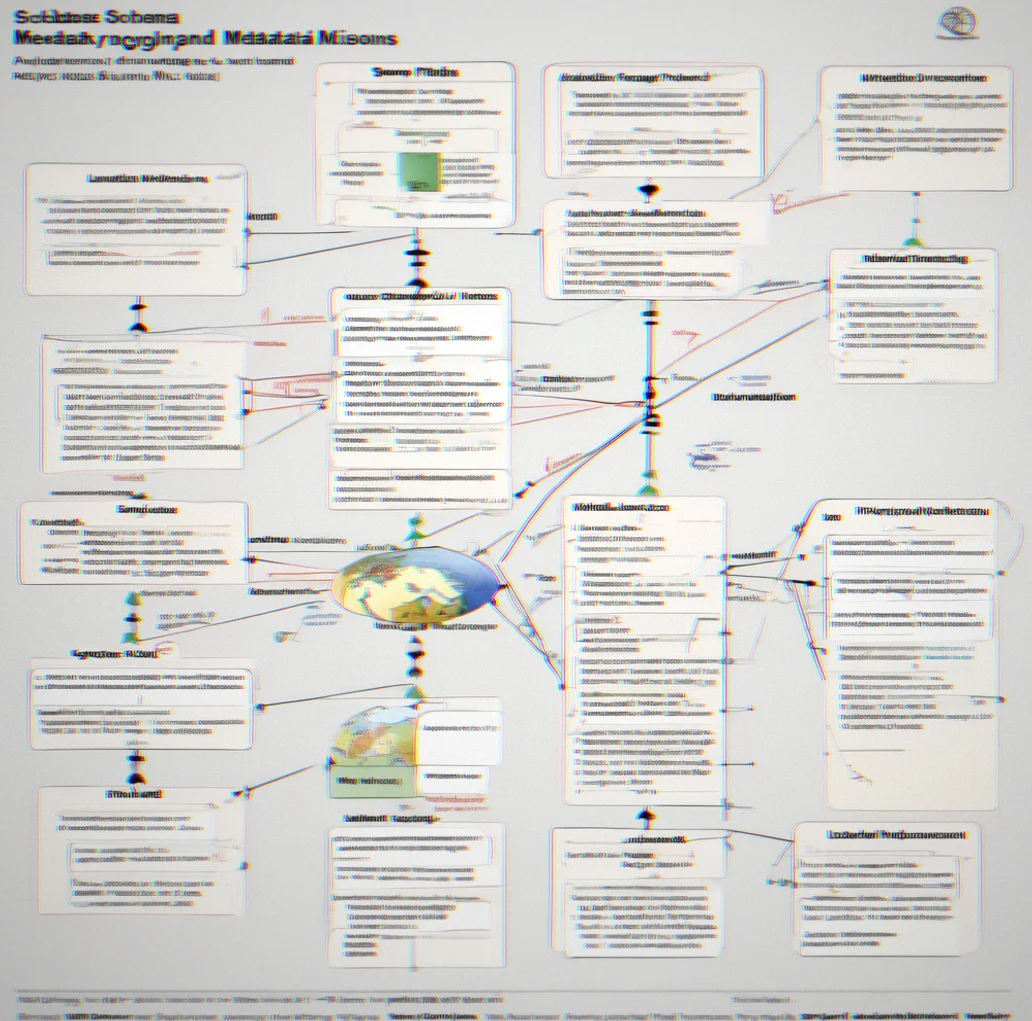
Soyuz 11's files don't look anything like Skylab's. Sentinel-2A data is completely different from Voyager 1. OrbitLedger applies the same metadata schema to every single mission—agency, date, orbital parameters, payload manifest, known anomalies. Same format across decades of missions from everywhere.
Your archive stays yours
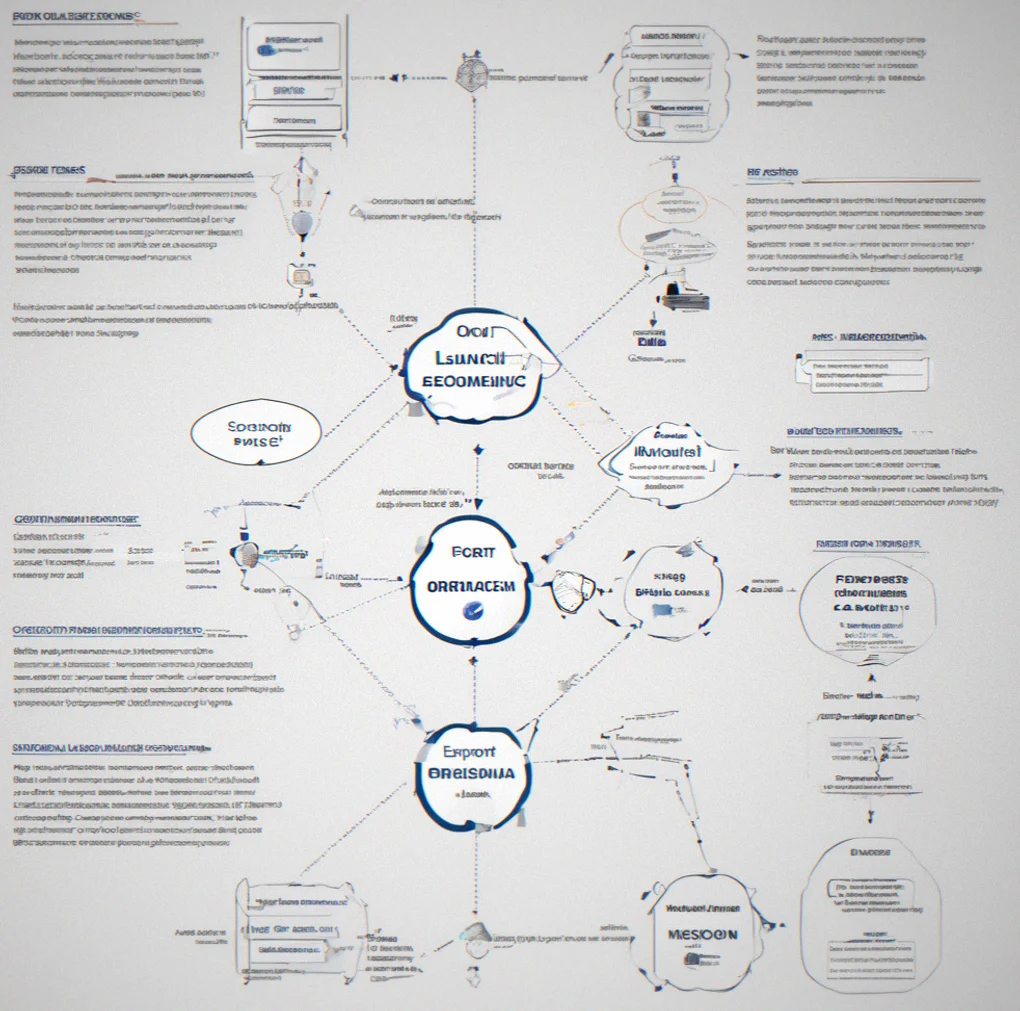
OrbitLedger won't lock you in. You can export whenever you want in open formats. No vendor trap. Build your institutional collection on top of verified records and then move them wherever you actually need them to be.
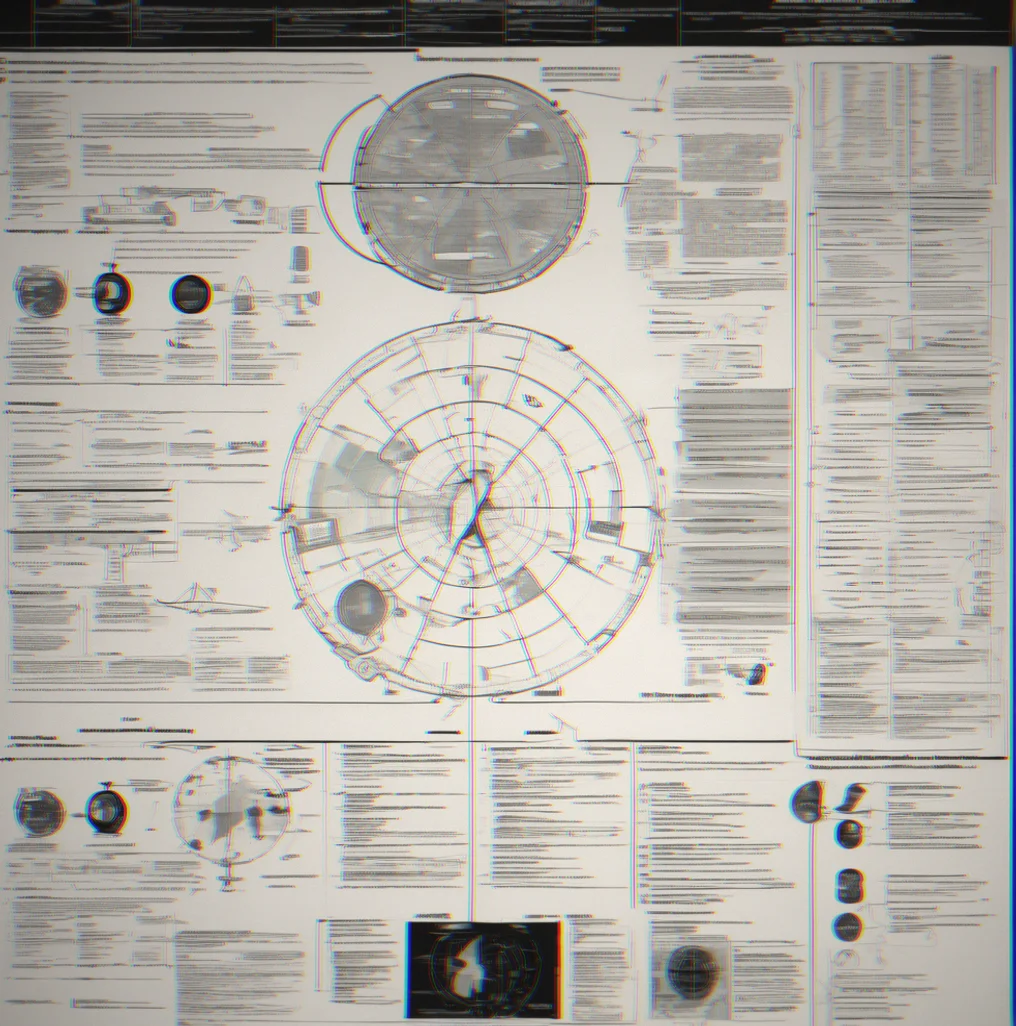
Handle restricted or declassified material
Soviet mission records were locked away for decades. Some still are. OrbitLedger shows you what's available and what isn't. You get verified declassified material with source links. When something's restricted, you get the metadata and information on where you can actually see it.
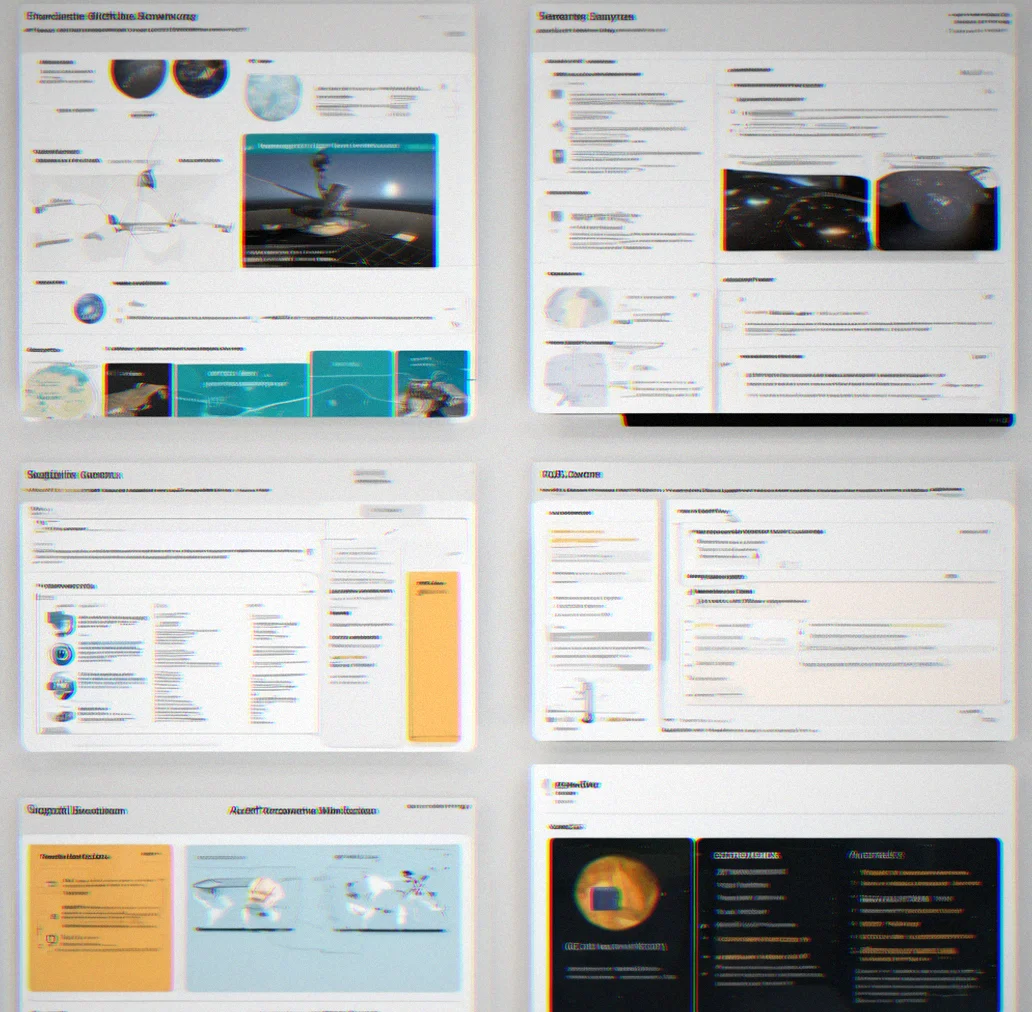
Integration with your research workflow
There's an API for bulk operations. Query by launch date, agency, payload type, where it went. Download datasets already formatted for your database. Researchers can spend time actualyl doing research instead of manually entering data they shouldn't have to reconstruct.
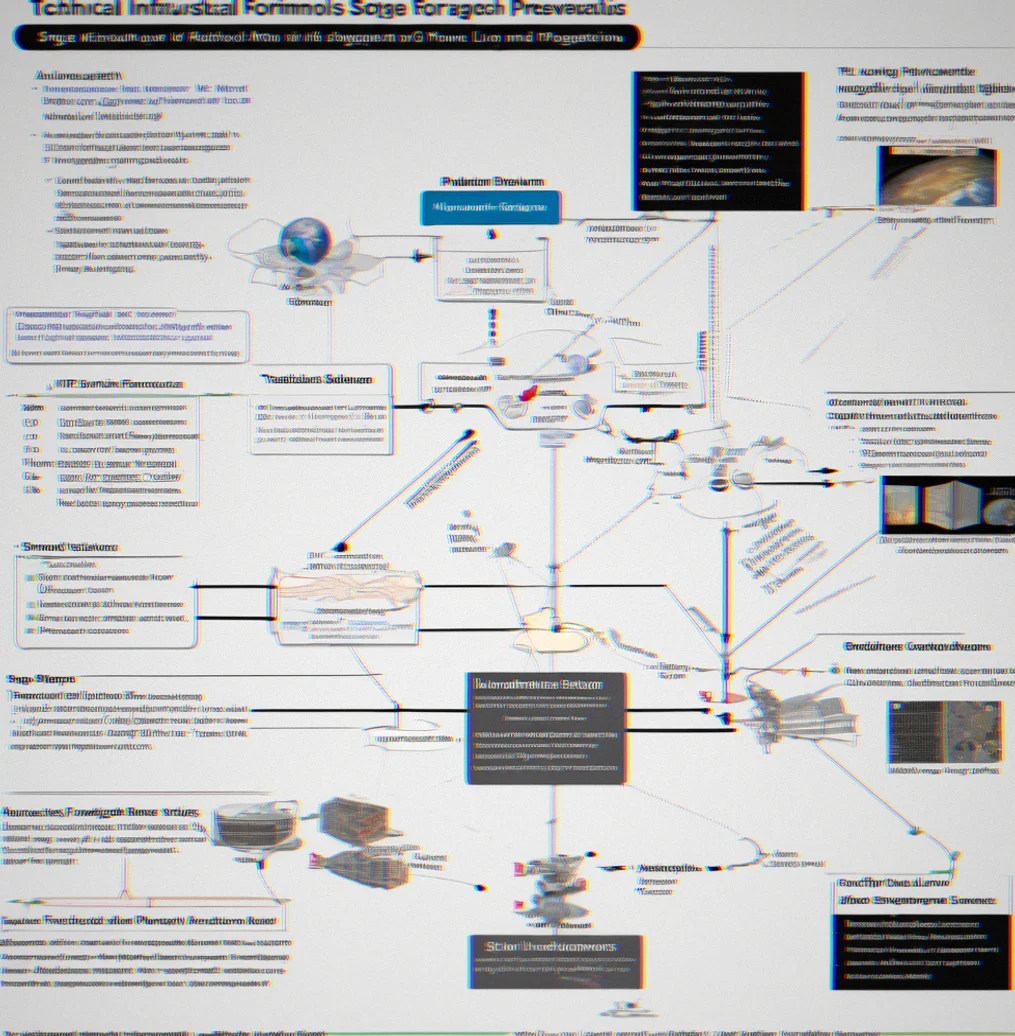
Designed for permanence
Institutions get sold off. Websites get redesigned. Services disappear. OrbitLedger is built on open standards and formats that will stick around. Your data won't vanish when the platform does. Whoever comes after you will know what you built and why it matters.
FAQ
Space historians, archivists and researchers ask these questions regularly. Straight answers, no sales pitch.
Every record traces back to a source document with the link right there. A telemetry value from a NASA flight report gets marked as such. When sources disagree we flag it. You can always see where the data came from and check it yourself. Accuracy depends on what was documented originally.
They're in here. Russian sources get translated and cited. How much coverage you get depends on the era. Earlier missions sometimes have thin documentation. We pull from declassified archives, institutional records, and verified secondary sources. When something's still classified or just not available we say so.
Yes. JSON, CSV, or direct database export depending on your subscription. The data is yours. Download it, move it somewhere else, feed it into your institution's system. No restrictions.
NASA's archives are the real deal for NASA missions, but you can't search by orbital parameters, they don't have non-NASA launches, and you're jumping between different databases. OrbitLedger pulls verified data from NASA, ESA, Roscosmos, JAXA, and declassified records into one searchable place. You still cross-check against the originals. We just give you the structure to find them.
Send a correction with documentation backing it up. We check if it holds up against primary sources. If it does, we log it with a history of what changed and why. The correction gets recorded, not buried.
No classified documents in the archive. We do link to declassified material from official channels—National Archives, government repositories, institutional releases. If a mission or payload stayed classified that's noted. You get the metadata and where to look, not the restricted stuff.
Built on open standards and formats that don't rot. If the platform changed hands or disappeared your data would still work in standard tools. We're not locking your research into OrbitLedger. We're providing structure and verification so you can keep it anywhere and trust it's correct.
Institutional subscriptions come with API access. Query by launch date, agency, payload class, orbital destination. Download datasets formatted for your database. Reach out to info@orbitledger.space about what you need and the technical side.